Анунсиос
What if most gatherings at work do more harm than good?
Teams feel calendar overload and attention is costly. A single hour with ten people can cost about $20,000 a year, says David Finkel. That fact makes the need for real change urgent for any company serious about productivity.
Here, “Meeting Structures That Avoid Wasted Time” means repeatable habits: a clear purpose, a tight agenda, and firm follow-through. These are skills a team can use every week, not one-off facilitation tricks.
This short guide previews a lifecycle approach: decide whether to meet, plan agenda-first, run the session well, and turn talk into decisions and action. It aims to help teams save time, boost morale, and make work feel more productive.
For practical steps and examples, see this primer on effective meeting strategies.
Анунсиос
What Makes a Meeting Worth Having in the First Place
Every planned group gathering should earn its place on the calendar by producing a clear outcome.
Teams should only book a session if it creates value: solving a problem, making a decision, or aligning people on a goal. A simple purpose test works well. If the organizer cannot state the decision to be made or the problem to solve, redesign the plan or cancel.
Only meet for value. As David Finkel put it:
“Only meet to create value… If the meeting doesn’t create value, cancel the meeting.”
Use async updates for one-way information. Short video or written summaries let people consume information on their own. Then the live gathering focuses on discussion and decisions, not status reports.
- Turn vague topics like “project updates” into clear outcomes, e.g., “approve launch timeline and owners.”
- Count attendees: each extra person raises the cost and lowers the chance to save time.
- Pick the right format—written, recorded, dashboard, or live—based on the purpose and communication needs.
Структури за срещи, които избягват загубата на време
Core rules keep a session focused and make outcomes predictable.
Start with a written agenda, a firm time limit, and clear next-step agreements. These three elements stop drift and ensure the discussion ends with real decisions and assigned action items.
The essentials that prevent drift
Put topics in order, add minute targets, and name owners for each item. Ending with explicit next steps turns talk into follow-through.
Right people in the room
Limit attendees to decision-makers and essential contributors. Research shows five to eight participants is often optimal for clarity and speed.
Match length to the goal
Choose minutes wisely: daily stand-ups ≈15 minutes, brainstorming 30–45, strategic sessions ~60. Shorter blocks keep energy up.
Pick the right meeting type
Use 1:1s for coaching, weekly team sessions for alignment, and planning meetings for commitments. The right format reduces recurring drift and boosts a productive meeting culture.
Agenda-First Planning That Keeps Teams Prepared
A strong agenda forces clarity so every participant shows up ready to act.
Write a focused agenda with clear outcomes, time boxes, and an owner for each item. List the exact discussion items and the desired decision or deliverable. This makes the plan visible and stops vague conversation.
Send the meeting agenda and any pre-read information at least 24 hours before the session. Include key data, links, and short notes so people arrive ready to contribute. When members review materials in advance, minutes in the session are used for decisions rather than background.
Define roles up front: a facilitator to guide flow, a timekeeper to protect minutes, a notetaker to capture notes, and a decision owner to finalize outcomes. Assigning roles improves participation because each person knows how to prepare and what tasks they will own after the group meets.
For recurring sessions, use reusable agendas and a consistent format. Over time the team builds a repeatable strategy that reduces follow-up and speeds execution.
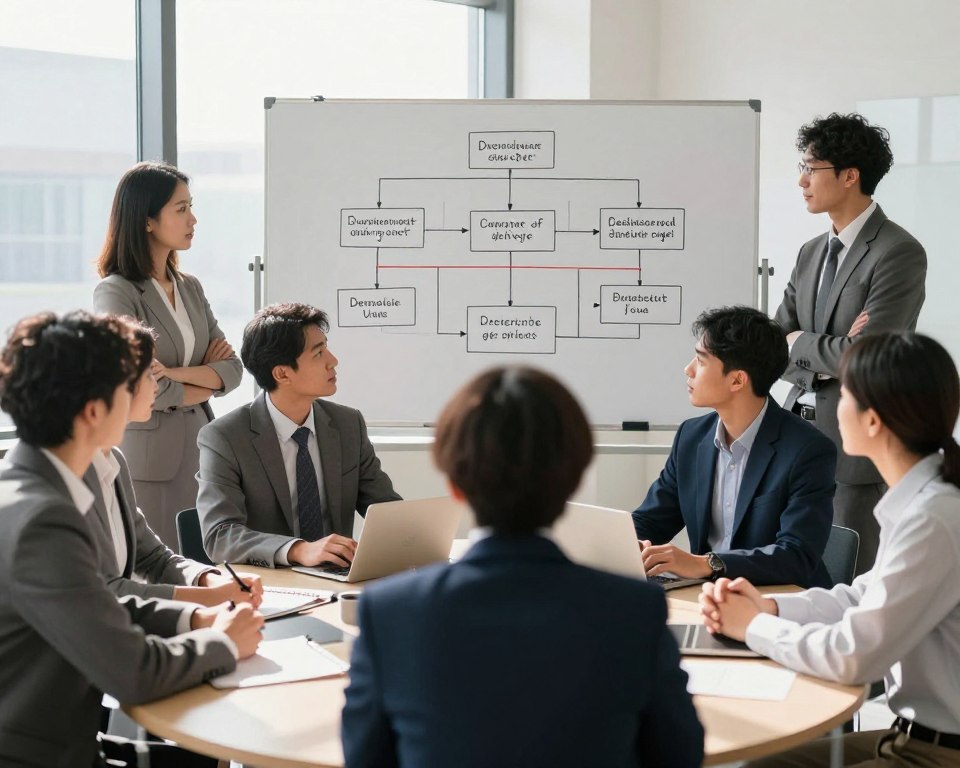
Running the Meeting in Real Time Without Losing the Room
A clear starting signal helps everyone respect the schedule and show up ready. Begin on time and state the expectations for preparedness. That small cue protects minutes and raises accountability for all participants.
Start on time and set the tone
Open with the desired outcome and the agenda checkpoint. A facilitator reminds people of pre-reads and keeps the session moving.
Facilitate to include everyone
Use open-ended questions and structured turn-taking so quieter people speak. Redirect a dominant voice into a role like notetaker to keep balance.
Use silent brainstorming
Try sticky notes or a shared doc for three minutes of silent idea capture. This surfaces better ideas from the whole team before group discussion.
Keep discussion on-track, allow smart pivots
Mark agenda checkpoints and use a parking lot for side issues. If a tangent materially improves the outcome, let the group pivot—but assign follow-up if it expands scope.
- Stop side conversations with a quick recap and return to the agenda.
- Handle late arrivals by summarizing only once to protect minutes.
- Create a safe space so people raise issues early rather than after decisions.
Strong facilitation protects the group’s collaboration and ensures the meeting is a productive place to solve issues.
Turning Discussion Into Decisions, Action Items, and Follow-Through
A short closure ritual ensures what was decided becomes visible and trackable.
Capture decisions as they happen. The facilitator or notetaker records the decision, the related tasks, and any open issues. Say the decision aloud, confirm with members, and mark the outcome in notes so everyone sees the result.
Capturing decisions and translating them into trackable tasks
Each action item should state Who, What, When, and How to close the loop.
- Name one owner per item.
- Set a clear due date.
- Define the close-the-loop step (e.g., mark complete on Asana or Trello).
Assigning action items with owners, due dates, and close-the-loop steps
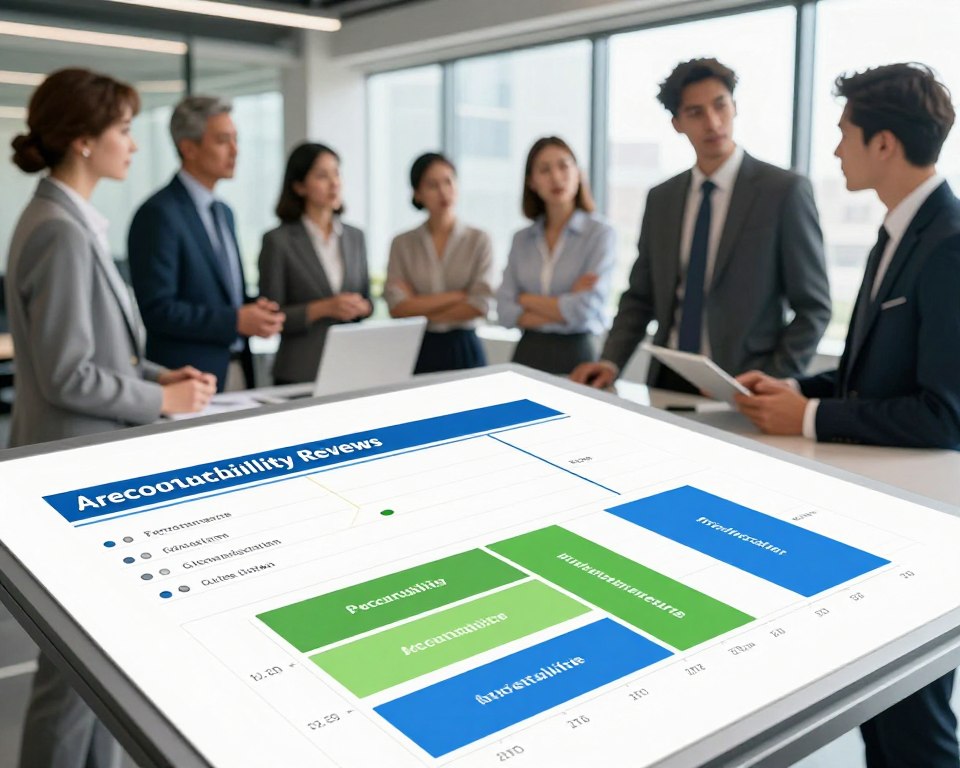
Accountability is operational, not emotional. Use a shared board so tasks and progress are visible to the company and teams across the year.
Sending a concise recap email or recorded summary to lock alignment
Before anyone leaves, recap decisions and confirm who agrees to the items and what will be reviewed at the next meeting. Then send a short recap email with the decisions, notes, and action items.
For distributed groups, include a brief video summary to speed catch-up and keep others informed asynchronously. A short recorded video reduces repeat explanations and keeps communication clear.
Final rule: the meeting leader follows up—update the board, email the recap, and record a quick video when useful.
For an actionable notes template and sample action-item fields, see this action items with notes template.
Заключение
A clear finale turns group discussion into practical next steps for the team.
Meet only with purpose. Plan agenda-first, limit the session span, and record decisions and action items as they happen. These three basics form the minimum viable standard for productive gatherings.
Good sessions do more than save time; they protect focus and improve company productivity. When teams use a repeatable cadence, follow-up drops and trust rises.
Before scheduling the next meeting, define the purpose, list required decisions, and invite the smallest right group. Small habits create big gains—then the team can get back to deep work with clarity.