Anúncios
Can a tiny test change a stuck life or stalled project? Anne-Laure Le Cunff argued that small, intentional trials unlock growth and creativity when a roadmap is missing.
The core idea is simple: try short, low-risk actions to gather new information. These mini tests build confidence, reveal direction, and cut through uncertainty.
This approach leaned on neuroscience and behavioral science and on real creators at Ness Labs who write in public. It shows how curiosity, reflection, and quick learning loops beat rigid plans when outcomes are unknown.
Readers will get a mindset, a clear framework, and ready-to-use examples. The focus is on low-stakes work, short time boxes, and fast feedback rather than big overhauls.
Anúncios
Why small experiments can create big breakthroughs
When plans stall, short, low-risk actions rewrite the path to progress. This approach shifts the focus away from fixed goals and toward steady learning. It makes growth feel possible rather than distant.
Replacing rigid goals with curiosity, exploration, and reflection
Rigid goals often amplified pressure and created an all-or-nothing mindset. People felt behind before they began and then froze.
Curiosity flips that script. Treating life as a public lab prioritizes learning over proving success.
Why “low-stakes” action reduces pressure and increases follow-through
Smaller commitments lower emotional risk and remove procrastination triggers. When the cost is tiny, starting becomes realistic.
“Small practice removes the weight of perfection and invites steady progress.”
How tiny experiments build momentum through quick wins and fast learning
Quick wins provide evidence: this helps or this doesn’t. Those signals guide better choices and faster progress.
- Repeatability: short trials are easier to do again, which builds habit.
- Speed: short cycles give fast feedback and reduce wasted months.
- Humane design: this way supports growth without demanding perfection.
Breakthrough Insights That Come from Tiny Experiments
Small, time-boxed trials focus attention and produce quick learning rather than grand promises. A tiny experiment is a small, intentional, time-boxed test of a behavior or routine designed to generate learning.
What a “tiny experiment” is and what it is not
Definition: a short test with a clear time box and a single question to answer. It aims to gather data, not to prove identity or make a permanent change.
What it is not: not a lifelong identity shift, not a moral pledge, not a pass/fail exam, and not a five-year plan disguised as habits.
How tiny experiments help people move forward without a roadmap
Each experiment generates small signals. Those signals point to the next sensible adjustment or the next experiment to run.
This approach turns uncertainty into evidence. Over a few cycles, a direction emerges without needing a fixed plan.
Why this approach fits uncertain times better than linear plans
When outcomes are unclear, experimentation reduces guessing. The mindset shifts from “What if I fail?” to “What can I learn?”
Practical promise: these experiments offer simple tools and a fresh perspective to keep moving when priorities and energy fluctuate.
The neuroscience of uncertainty, pattern-matching, and decision-making
The brain often treats uncertainty like a problem to solve, racing to fit new events into familiar patterns. This habit helped humans survive but can now push people toward rushed choices or clinging to old scripts.
How the brain tries to reduce uncertainty and predict outcomes
A neuroscientist would say the mind is a pattern-matching machine. It scans noise for signals and then builds a quick story to explain them.
That speed feels efficient. But it can make people over-interpret early signs and lock into bad plans.
Using intuition alongside logic when choices aren’t black and white
Intuition is useful in decisions that lack clear data. It works best when paired with a brief logical check.
Small, time-boxed tests convert gut hunches into real signals. This keeps choice reversible and lowers the cost of being wrong.
Liminal moments and life crossroads as catalysts for experimentation
Transitions—moves, job shifts, or identity changes—loosen routines and invite curiosity.
These moments reduce the grip of old patterns. Trying small tests then reduces fear and makes change manageable.
“the brain was “designed to try and reduce uncertainty,” acting as a “pattern-matching machine” to detect signals in noise and make predictions”
Practical point: short cycles of testing give quick feedback. Over a little time, decisions get clearer and people gain a new perspective on life and work.
The Tiny Experiments mindset from Anne-Laure Le Cunff and Ness Labs
Anne‑Laure Le Cunff paired doctoral rigor with public writing to shape a practical mindset for steady learning. She balanced neuroscience research with daily notes and experiments, turning theory into repeatable practice.
From PhD rigor to writing in public: bridging research and real life
Anne‑Laure Cunff used methods from her PhD to design short tests anyone can run. Sharing results publicly made each test clearer and easier to refine.
The “messy creator” approach: gardening ideas instead of architecting plans
She calls herself a messy creator — more gardener than architect. Plant an idea, prune what fails, and observe what grows.
Authenticity, public learning, and why mistakes can build trust
Openness about mistakes helped Ness Labs build a loyal community. The founder ness labs encouraged members to copy experiments, discuss results, and learn together.
- Book as a playbook: her book collects methods that are research‑based yet easy to use daily.
- Community support: ness labs acts as a testing ground for new ideas and faster feedback loops.
“Publishing learning in public makes ideas testable, relatable, and easier to improve.”
A practical framework to design tiny experiments that actually work
A repeatable framework turns curiosity into a practical plan for fast learning. This section walks through PACT — a simple way to make experiments doable, not aspirational.
PACT explained: Purposeful, Actionable, Continuous, Trackable
Purposeful ties the test to a real friction point: stress, creativity, or procrastination. Pick one clear goal and a visible friction to measure.
Actionable means one behavior, one trigger, one tiny step. For example, set a phone-check alarm at set minutes each hour.
Continuous means repeatable over days so patterns appear. A five-day run reveals trends better than a single attempt.
Trackable uses quick notes, a checkbox, or a one-sentence log. Data should be trivial to collect so the practice stays consistent.
Start with self-anthropology and a “Maybe…” research question
They begin by taking field notes about energy drains, sparks, joy, and social cues. These observations reveal where to test.
Turn a note into a playful research question with “Maybe…” — e.g., “Maybe my sleep improves if I stop doomscrolling after 7pm?” This lowers pressure and sparks curiosity.
Write a hypothesis, define data, and pick a realistic time box
Make a simple hypothesis: “If they stop doomscrolling after 7pm for 7 days, they may sleep better.” Define data: bedtime consistency and a one-word morning energy rating.
- Pick the time box: minutes (15-min reset), days (5–7 day trial), or a short sprint (one weekend).
- Run the action, collect the data, and reflect quickly each day.
- Decide: continue, tweak, or drop based on simple evidence.
Quick note: this framework replaces rigid goals with experiments you can repeat or abandon. It keeps practice small, research-focused, and honest.
Real-world examples of tiny experiments for growth, work, and life
Practical, time-boxed tests give people fast clues about what helps them create, rest, and focus. Below are borrowable templates. Each is a starting point, not a rule.
Creative output
Try a writing experiment like Anne‑Laure’s “100 essays in 100 days” model. Set a daily minutes target and count pieces rather than judge polish.
Measure: output count and one-word energy after writing each day.
Calm and nervous-system resets
After a talk, lie flat for 10–15 minutes for five days. Track groundedness on a scale of 1–5 each session.
Why it works: short rituals interrupt stress and make recovery visible.
Mindful productivity swaps
Test one block of kairos (meaningful, undistracted work) for 45–90 minutes instead of fragmented chronos. Run this for a few days and note deep-work minutes.
Digital habits
Try no doomscrolling after 7pm for 7 days. Allow two short phone-check windows and log bedtime and morning mood.
- Keep experiments short: minutes or days lower risk and increase follow-through.
- Pair each test with one data point: energy, output, anxiety, or sleep.
- Success = learning: the goal is experience, not a perfect routine.
How to learn from failure without calling it failure
A failed trial can be the clearest map to what actually matters next.
Reframe failure as information: flops often expose constraints, triggers, and mismatches faster than wins. When a test reveals a hidden limit, it guides smarter choices and speeds up learning.
Make quitting an option so starting feels safe. If teams and individuals accept that stopping is legitimate, fear falls and honest experiments happen more often.
Growth loops instead of “fail fast”
Use Plus / Minus / Next reflections to turn outcomes into progress.
- Plus: what helped or worked.
- Minus: what hurt or got in the way.
- Next: the small change to try next time.
Procrastination as a message
Resistance often signals overload, unclear next steps, or goals misalignment — not laziness.
Read procrastination as data. Adjust the approach, simplify the task, or realign the goal rather than punish effort.
After the experiment: continue, tweak, or quit
Three choices make decision-making simple and humane.
- Continue: the test clearly supports your goals and success looks likely.
- Tweak: small changes may reduce cost or increase learning.
- Quit: the experiment costs too much or reveals an unhealthy pattern.
The Depop example shows quitting can be the healthiest result: the test revealed a shopping trigger and stopped a harmful loop. Sharing that story with a community helps normalize messy learning and speeds communal growth.
“Failures are not endpoints; they are signals that point to what to try next.”
Conclusion
Short, purposeful trials show people which steps actually move the needle. Tiny experiments let people act, observe, and adjust in small cycles so learning replaces guesswork.
Mindset matters: favor curiosity over rigid outcomes and learning over self‑judgment. The book provides clear methods to make this shift practical for daily life.
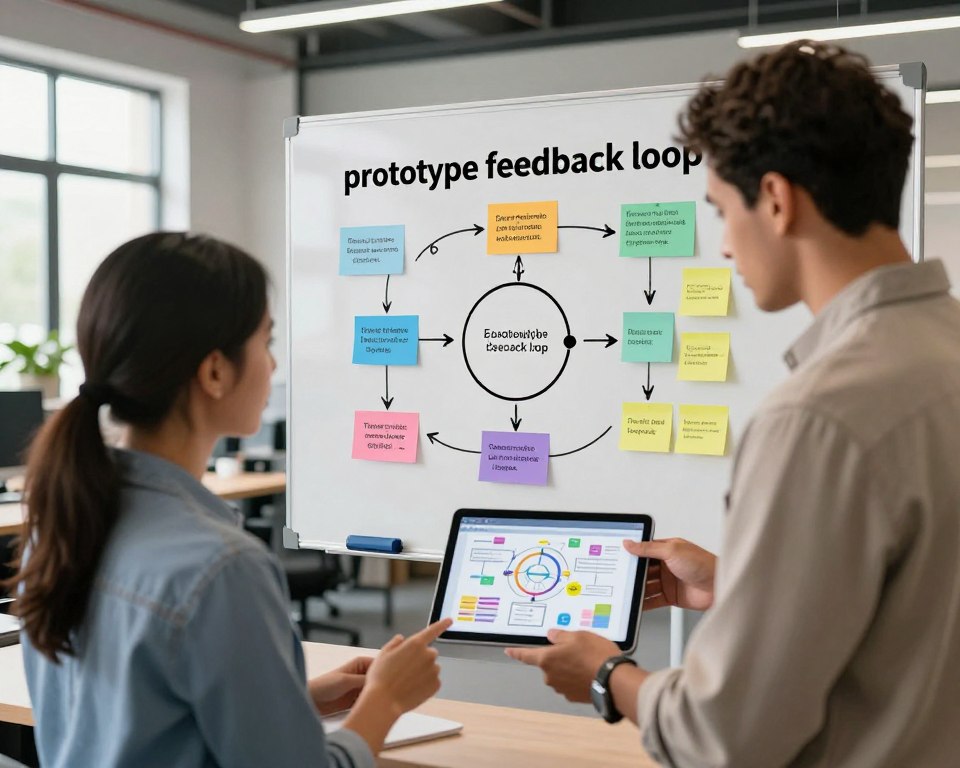
Use a simple recipe: observe field notes → ask a “Maybe…” question → run a PACT test → track one clear data point → reflect with Plus / Minus / Next. These experiments keep effort low and signals fast.
Why it works: this approach respects limited time and changing energy. It helps people find what actually helps, not just add more things to their list.
Try one tiny experiment this week. Keep it short, low‑stakes, and time‑boxed. The goal is learning, not perfection, and the result will shape future choices in life and work.